
Every breastfeeding journey is different. Some moms choose to breastfeed for a long time, while others stop earlier. Whatever you decide, you deserve to feel at peace with your choice. We’ll guide you through the process, considering both your baby’s age and your own needs.
Why Weaning Should Be Gradual
Stopping breastfeeding all at once can be hard for both you and your baby. A gradual reduction helps protect your breasts from engorgement, reduces discomfort, and helps reassure your child. It also allows your milk supply to decrease naturally without shocking your body.
Gentle weaning also gives your baby time to adjust to other sources of nourishment. Whether it’s with a bottle, a cup, or a spoon, the transition works better step by step.
How to Stop Breastfeeding by Age
Each stage comes with its own needs. Breast milk plays a very different role for an infant under six months compared to a toddler over a year old. Here are some gentle, age-specific tips to help you stop breastfeeding smoothly and calmly.
Before 6 Months
If your baby is under six months, breast milk remains their main source of nutrition. Exclusive breastfeeding is recommended for the first six months. Stopping earlier means you’ll need a complete alternative.
In this case, replace feedings with age-appropriate infant formula. Always talk to a healthcare professional before starting the process.
Tips:
- Replace one feeding with a formula bottle, then increase gradually.
- Keep skin-to-skin contact during bottle feeds to maintain bonding.
- Avoid cutting several feedings at once to limit engorgement.
Between 6 and 9 Months
Breast milk still plays a key role, but you can begin introducing solids around six months. The number of feedings will decrease naturally over time.
For stress-free weaning:
- Replace the midday feeding with a solid meal and a little water.
- Continue morning and evening feeds, which are often the most comforting.
- Pay attention to your baby’s cues: some may go through nursing strikes that affect the transition.
- Remember, milk remains essential at this stage. Solids don’t replace the nutritional value of breast milk yet.
Between 9 and 12 Months
Weaning usually gets easier after nine months. Babies adapt better to bottles or sippy cups, and solid foods take on a bigger role.
Tips for this stage:
- Gradually reduce the number of feedings during the day.
- Add balanced solid snacks.
- Offer expressed breast milk or formula when needed.
- If you want to stop completely before one year, make sure your baby gets enough calcium and nutrients from suitable milk.
Between 11 and 16 Months
At this stage, gradual weaning often feels smoother. Your child eats a wide variety of solid foods and can drink homogenized whole milk (3.25%) once they turn one.

To wean gently:
- Keep comforting nursing sessions (often morning or evening).
- Offer a bottle or sippy cup as an alternative.
- Give extra cuddles to replace nursing time.
The transition may take weeks or even months. Respect both your rhythm and your baby’s.
From 12 Months to 2 Years
After the first year, breastfeeding remains beneficial, but stopping gets easier. Breast milk becomes a complement, since solid meals now cover most needs.
A gentle weaning schedule may look like this:
- Drop one feeding every one to two weeks.
- Replace it with a cup of cow’s milk or a snack.
- Talk to your child: even very young toddlers can understand changes.
Guidelines suggest you can continue until two years if that feels right. But you’re free to stop whenever it works for you and your baby.
How to Relieve Breast Discomfort During Weaning
Weaning sometimes causes engorgement. Your breasts may feel tight, sore, or swollen. Here are some tips for comfort:
- Apply cold compresses to reduce swelling.
- Wear a well-fitted, supportive bra without compression.
- Hand-express just enough milk to ease pressure. Avoid doing it too often, since frequent stimulation can restart milk production and slow weaning.
The key is giving your body time to adjust as feedings decrease.
Emotional Aspects of Weaning
Weaning isn’t only physical; it’s emotional too. Some moms feel proud; others feel sad. Both reactions are normal.
Give yourself time and lean on your support system. Involving your partner or a close family member can comfort your baby and make the transition easier.
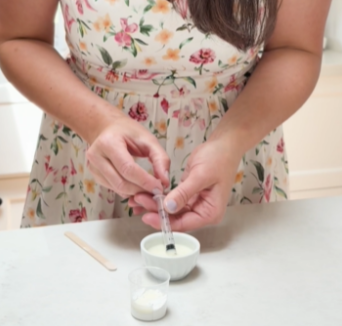
Many moms also like to keep a memory of this special time. Breast milk jewelry from La Joie en Rose can transforms a few drops of milk into a unique piece, a symbol of your breastfeeding journey.
When to Consult a Professional
Every journey is unique, and weaning can be delicate. If you experience painful engorgement, mastitis, or trouble reducing milk supply, consult a healthcare professional. Likewise, if your child refuses bottles or eats very little, seek advice from a pediatrician or lactation consultant.
Gentle Weaning Makes the Transition Easier
Weaning looks different depending on your child’s age. Whether you stop in the early months or after the first year, there’s always a gentle way. What matters most is respecting both your needs and your baby’s.
You’re not alone. With patience, kindness, and the right support, you can move through this transition peacefully.
Breastfeeding Weaning FAQ
Here are the answers to the most frequently asked questions parents have when they want to help their baby stop breastfeeding
It depends on your pace and your baby’s. On average, gradual weaning takes two to six weeks.
Yes. Try different nipples or offer milk in a cup. Sometimes a caregiver may succeed when the mother is too strongly associated with nursing.
Apply cold compresses and hand-express just enough milk to ease pressure. If pain continues, consult a healthcare professional.
Before one year, babies need nutritious milk, either breast milk or formula, to meet their needs. After one year, cow’s milk and solid foods usually provide enough.
If your baby is under six months, yes, because they still rely heavily on breast milk or formula. Always check with a healthcare professional before reducing feedings. After six months, solids begin to take over, making weaning safer and easier.
Natural weaning happens when your child gradually chooses to stop breastfeeding. They nurse less often until they stop altogether, usually after age two or later.
Yes. Many moms choose breast milk jewelry, like a ring or pendant, to preserve a lasting reminder of this unique and meaningful experience.


Comments are closed for this article!