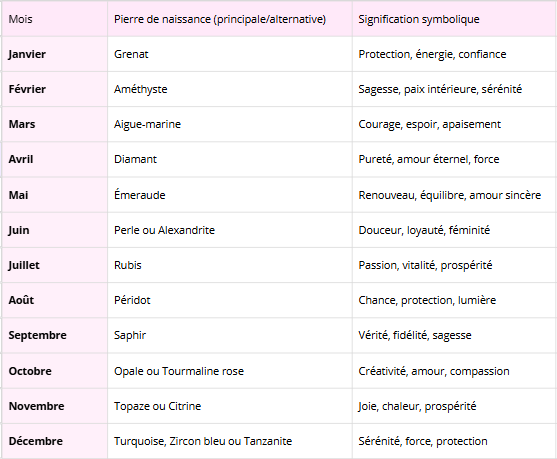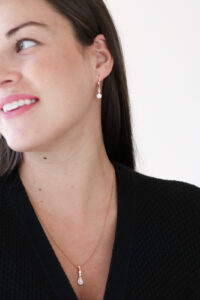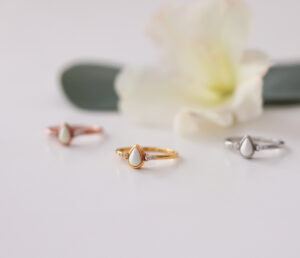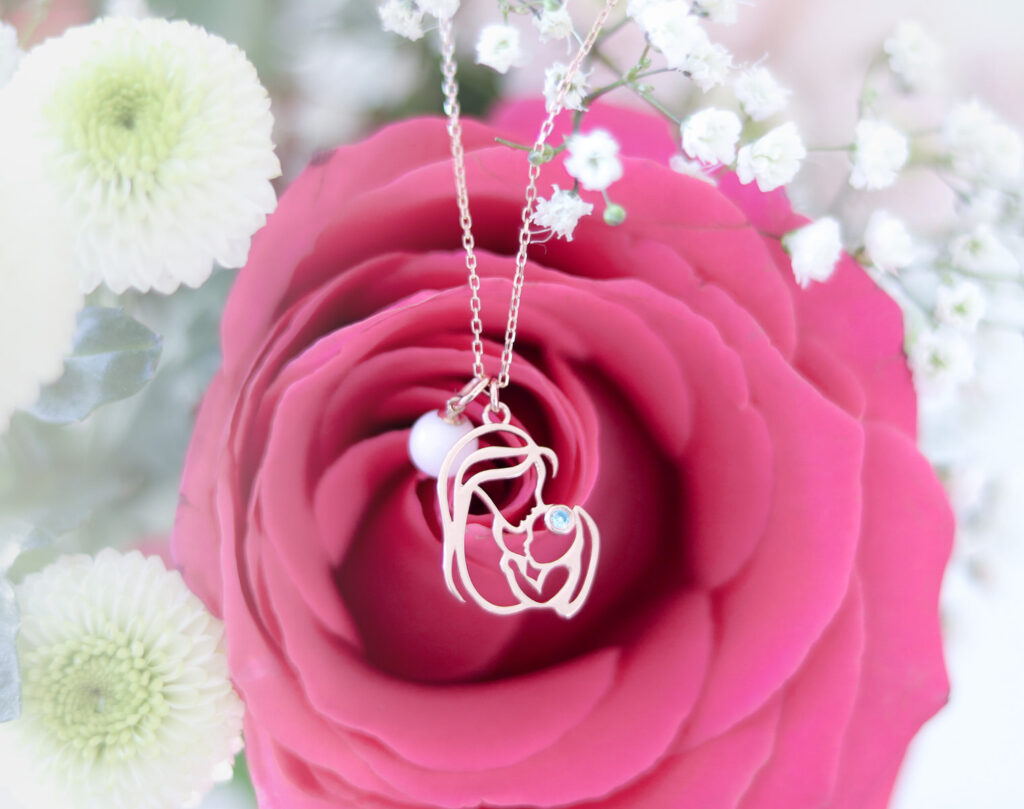

Some moments in a mother’s life deserve to be honoured. The end of breastfeeding is one of them.
Choosing to create your own breast milk jewellery means turning your breastfeeding journey into an intimate and meaningful keepsake. A gentle victory. A sacred bond. A memory you create yourself, at home, in a calm and peaceful space.
With La Joie en Rose, you do not work with ordinary resin. You take care of your white gold, a living material that tells your story as a mother.
Why choose our DIY breast milk jewellery kit
The La Joie en Rose DIY breast milk jewellery kit is designed for mothers who want to preserve a tangible memory of breastfeeding without sacrificing quality or safety.
An accessible solution without compromise
Not every mother wants or is able to send her milk to a workshop. This kit allows you to create your keepsake jewelry at home, at a more accessible price, while respecting professional stabilization standards.
A reassuring and simple process
The process feels simple, quick, and fully guided. Each step flows naturally, even within a busy mom’s daily routine. You move forward at your own pace with confidence.
Valuable flexibility
The preparation you create with your jewellery-making kit can serve multiple projects, now or later. Your milk becomes a precious resource that you manage according to your wishes.
A trusted Quebec-based brand
La Joie en Rose proudly operates in Quebec. You benefit from fast shipping, caring customer service, and real support. You never go through this journey alone.
What does your La Joie en Rose DIY kit include
Each kit is designed as a complete, safe, and reassuring experience.
Everything you need to transform your white gold into a breastfeeding keepsake
Breast milk is a living material. Without proper stabilization, it naturally degrades. That is why our creation kit includes a specific preservation agent developed to protect colour, texture, and long-term durability.
Inside your box, you will find:
- a professional preservation agent developed specifically for breast milk
- a resin suitable for keepsake jewellery creation
- secure containers
- a precision syringe
- clear step-by-step instructions
Each element plays a precise role. Nothing is left to chance.
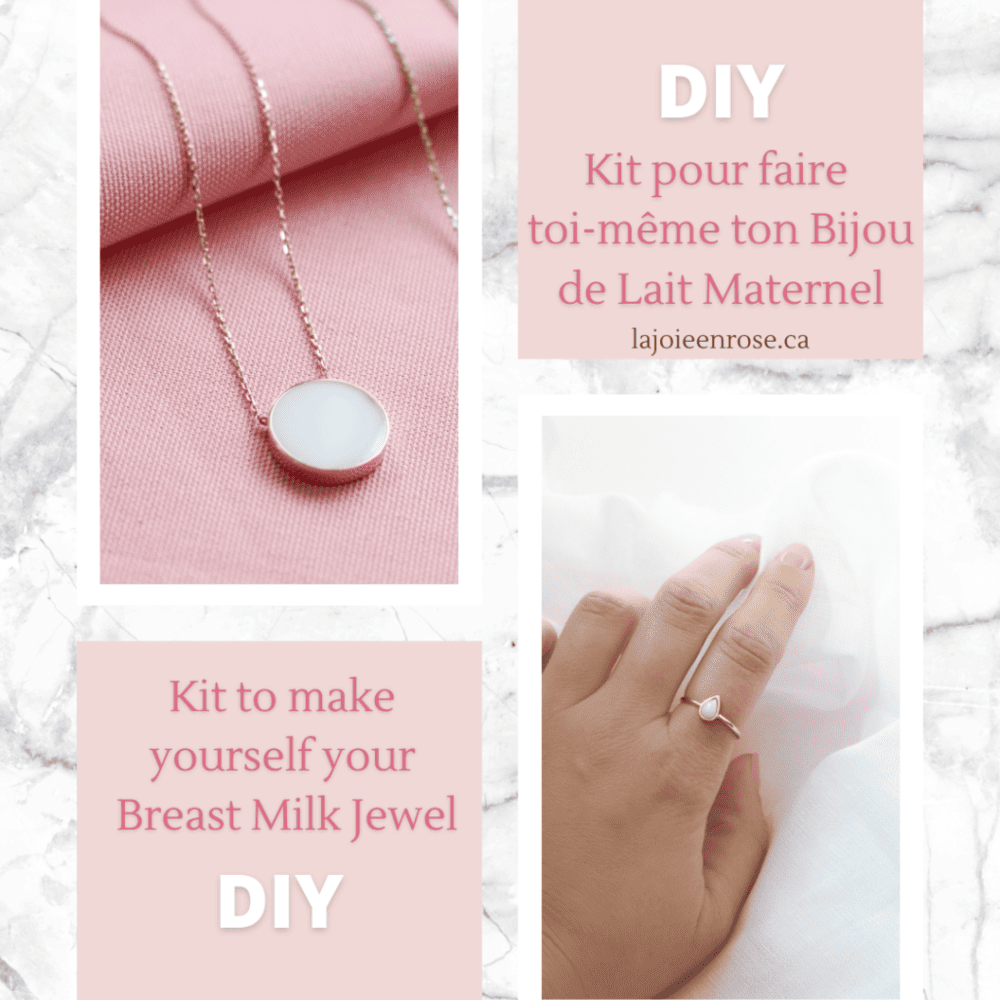
Quality settings in sterling silver and gold-plated finishes
Depending on the option you choose, your DIY kit may include a setting ready to hold your creation. We carefully select materials for durability and elegance so your jewellery can last over time with you.
The DIY process: simple, fast, and deeply emotional
Creating your breast milk jewellery goes far beyond a technical process.
It becomes a moment for yourself. A cocooning pause at home, when calm returns.
You prepare your milk, follow each step, and watch the transformation unfold. Every gesture becomes a ritual. Many mothers describe the experience as almost therapeutic. Participating in the creation brings calm, confidence, and a gentle way to close the breastfeeding chapter.
Important transparency
The DIY breast milk jewellery kit does not replicate the full workshop process, which uses specialized equipment. La Joie en Rose values honesty. The DIY kit offers a beautiful and accessible alternative, while our workshop creations remain the most technically advanced option.
Available settings to create a truly unique piece
Every mother experiences breastfeeding differently. Every piece of jewellery should reflect her story.
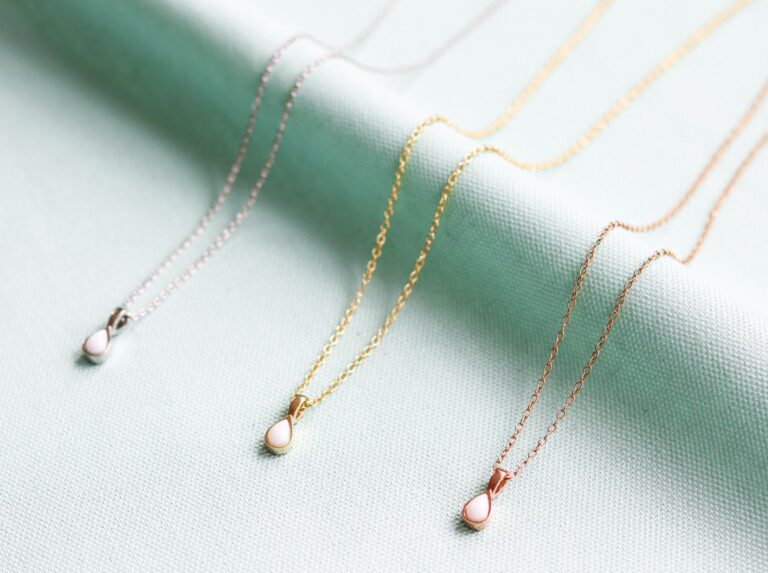
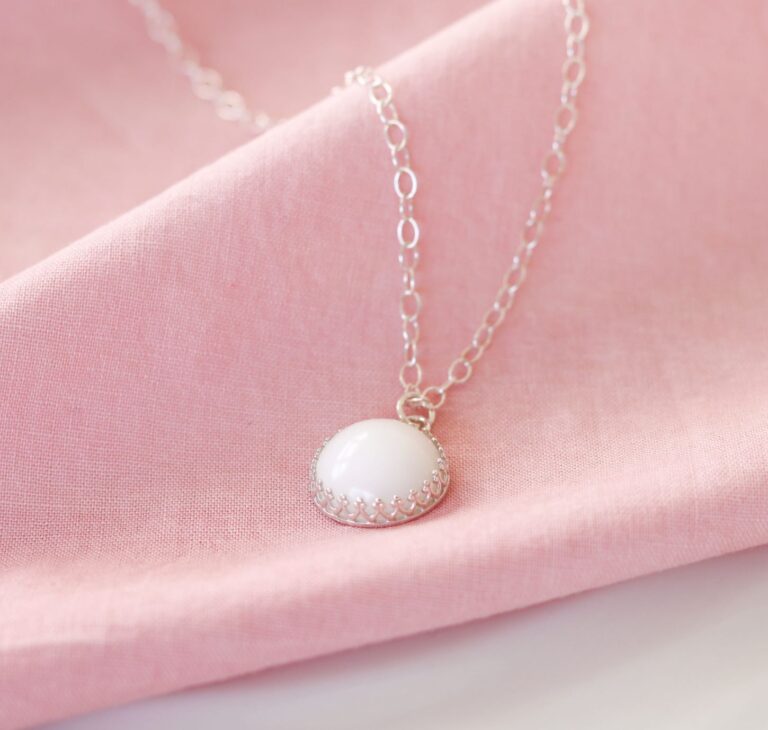
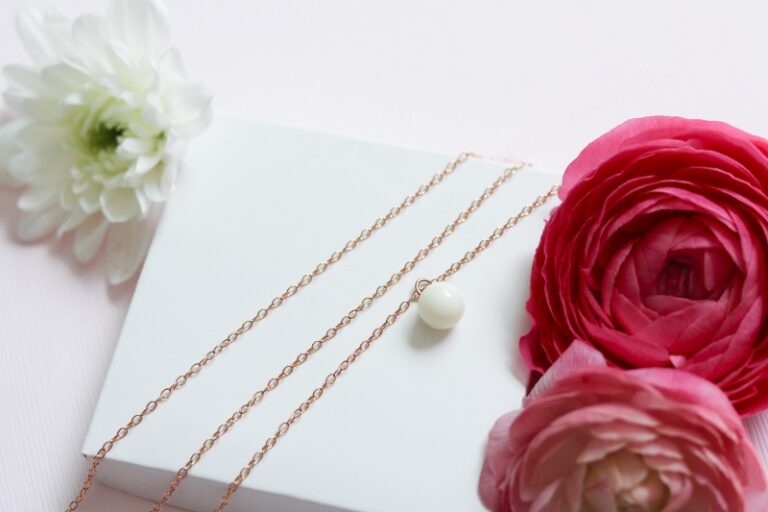
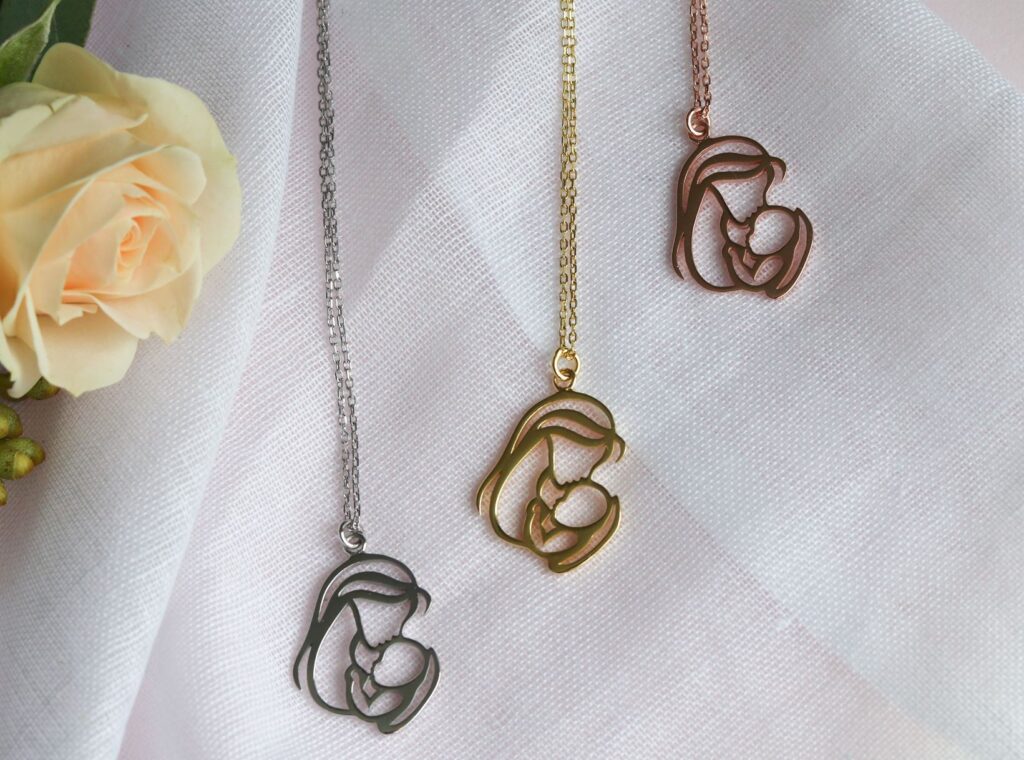
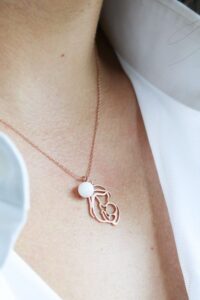
Pendants
Models available:
Infinite Circle (A)
Teardrop (B)
Vintage Heart (C)
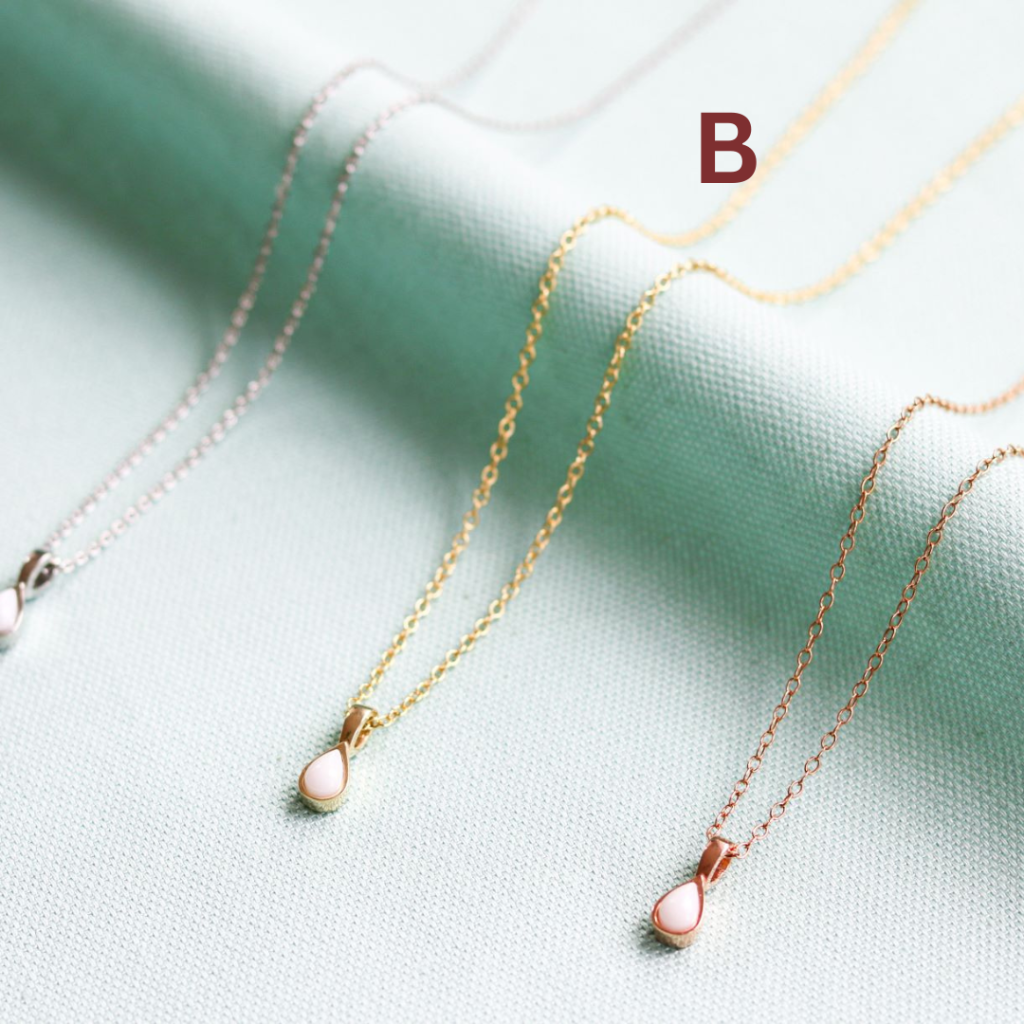
Materials:
sterling silver 925,
gold plated yellow, white, or rose
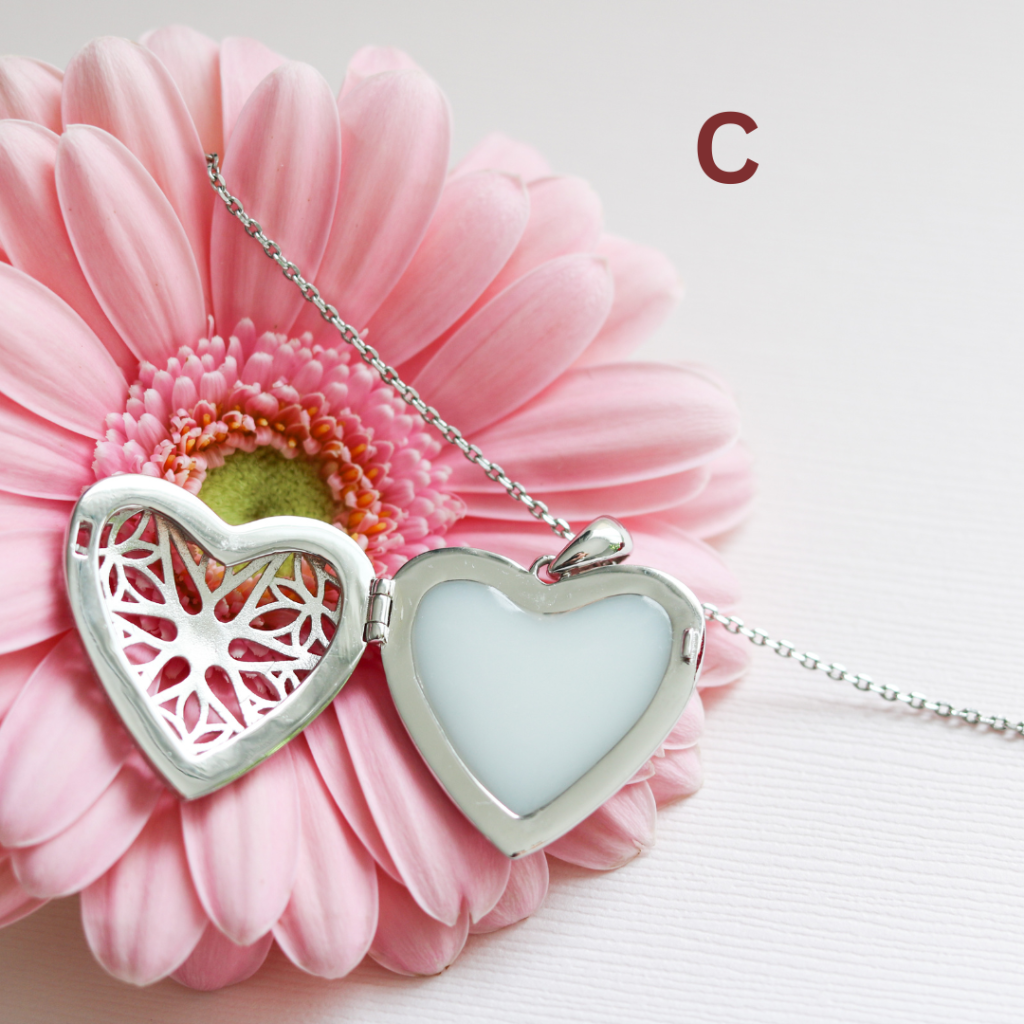
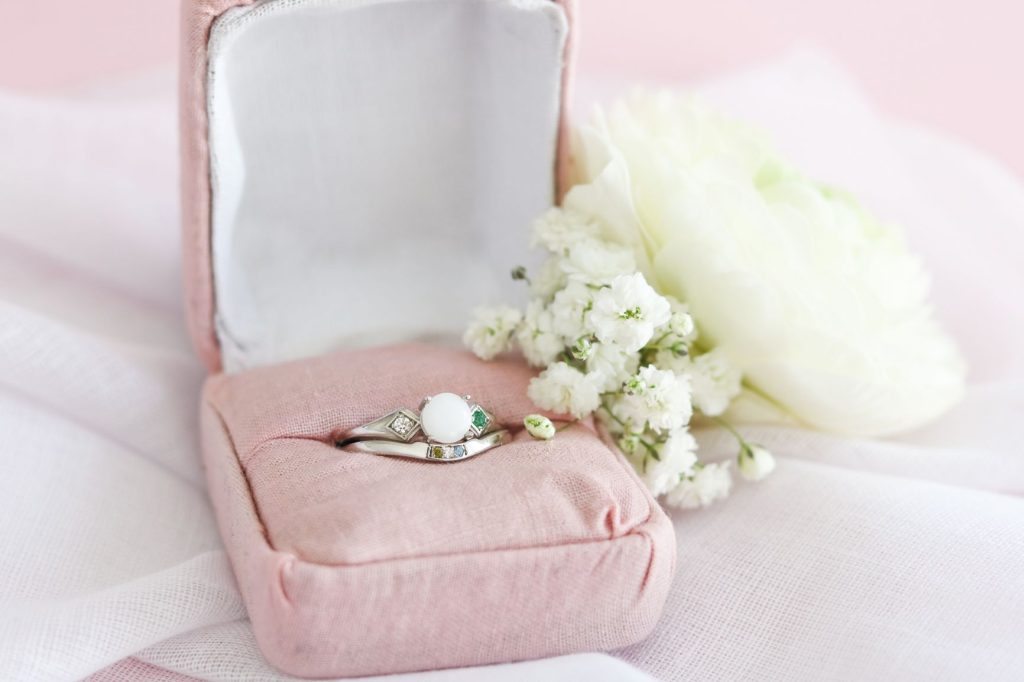
Rings
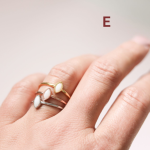
Models available:
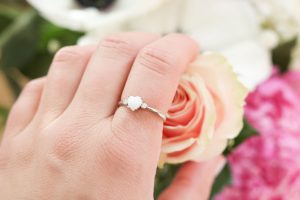
Marquise (E)
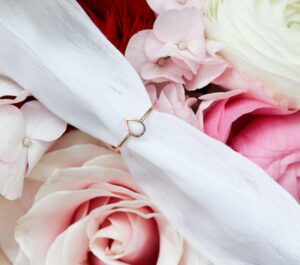
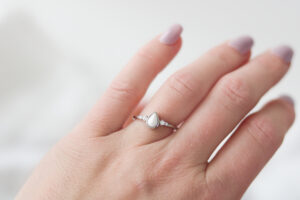
Teardrop (F)
Imperial (G)
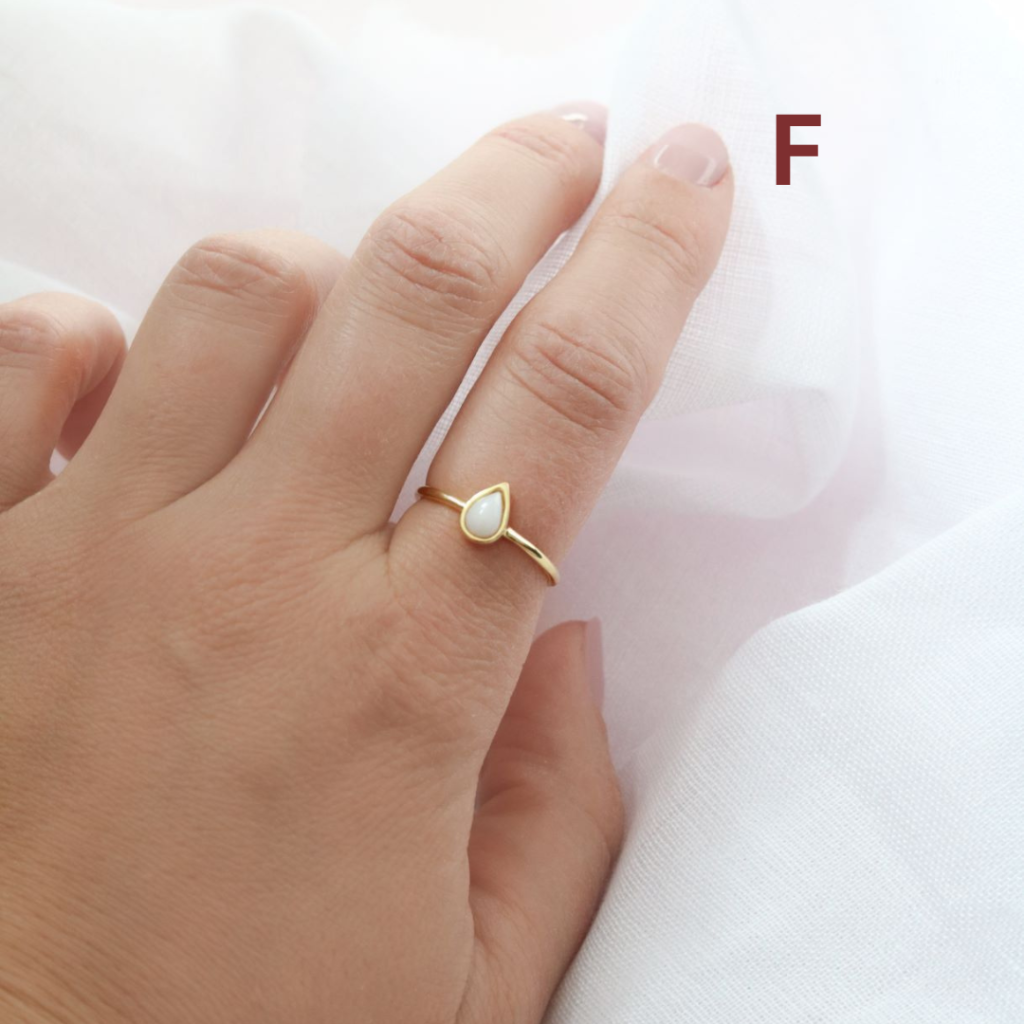
Materials:
sterling silver 925, gold plated yellow, white, or rose
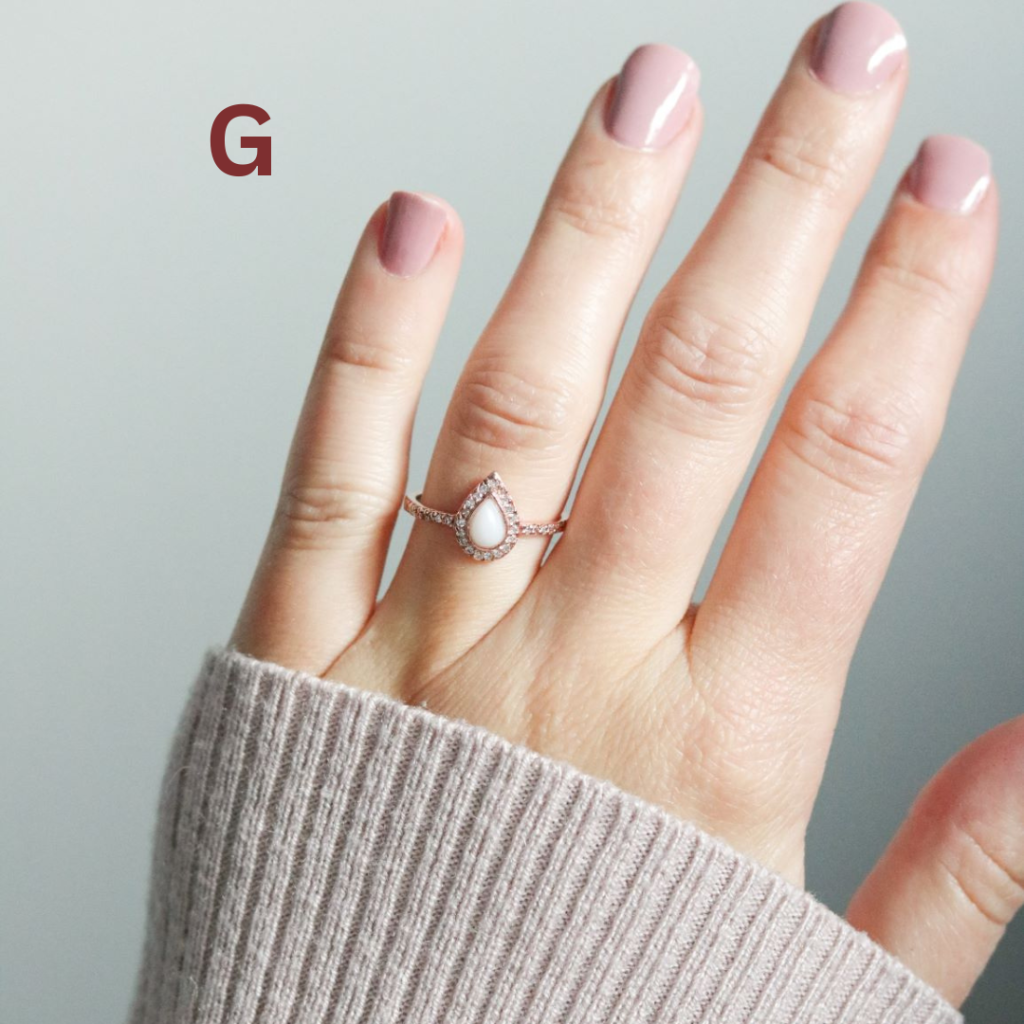
Ring sizes are available in quarter and half sizes, following Canadian sizing standards for a precise fit.
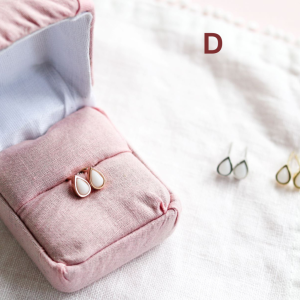
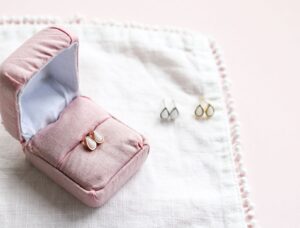
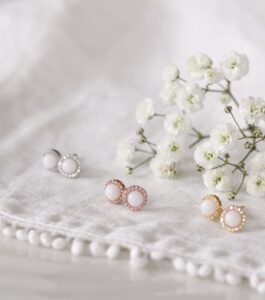
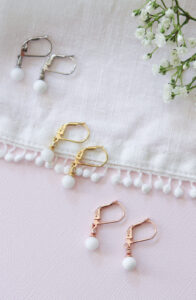
Earrings
Models available: matching teardrop earrings
Materials: sterling silver 925, gold plated yellow, white, or rose
How to care for your breast milk jewellery so it lasts
A piece created with a DIY kit deserves the same care as the memory it represents. Like any precious material, it stays beautiful with simple and consistent care.
To preserve your breast milk jewellery over time and clean it properly, we recommend:
- avoiding water and prolonged moisture
- removing your jewellery before bathing, showering, or swimming
- limiting contact with perfumes, creams, and chemical products
- storing it away from direct sunlight, ideally in a jewellery box
These habits help maintain beauty, stability, and shine so your keepsake can accompany you for many years as a witness to your motherhood journey.
It is your turn to choose your keepsake
Creating your breast milk jewellery means honouring your journey in your own way and preserving a meaningful breastfeeding memory.
Choose my setting and order my kit.
Not sure about creating it yourself?
Discover our personalized breast milk jewellery handcrafted in our workshop.
Need help or reassurance?
Our team is here to answer all your questions with care and expertise.
Frequently asked questions about our DIY breast milk jewellery kits
The process is simple and efficient.
Active preparation usually takes between 30 and 45 minutes, depending on your comfort level. A resting period then allows the material to stabilize properly.
Many mothers choose to turn this moment into a calm pause, moving at their own rhythm.
No.
With the complete kit, everything happens at home. You keep your milk and complete every step yourself.
This autonomy is exactly what makes the kit so meaningful. You fully participate in creating your keepsake.
Yes, absolutely.
The process includes a specific preservation agent designed for safe home use.
It stabilizes breast milk, which is a living material, without relying on improvised recipes or unsuitable products found online.
Yes, in many cases.
The preparation can serve multiple projects depending on the size of the jewellery you choose.
This flexibility allows you to create now or save part of your preparation for later.
No experience is required.
The process is designed to remain accessible even for first-time creators. Detailed instructions guide you step by step and inspire confidence throughout the process.